You have four feet left to save par, and you’re already thinking about how frustrating it would be to miss. Then the ball slides past the edge. Was it your aim, your stroke, or the pressure?
Missing short putts can come from a poor read, an unintended starting direction, or speed that doesn’t match the line. A changing setup or a rushed routine can make those problems harder to spot. Use these ten checks to find one thing to work on. You don’t need ten swing thoughts over the ball.
1. Give the putt a clear starting line
Short doesn’t mean straight. Look at the slope and choose both your line and pace before stepping in. A ball that trickles toward the cup can break differently from one arriving faster. In practice, try the same breaking putt at two speeds and notice how your aim needs to change.
2. Aim the face before you settle in
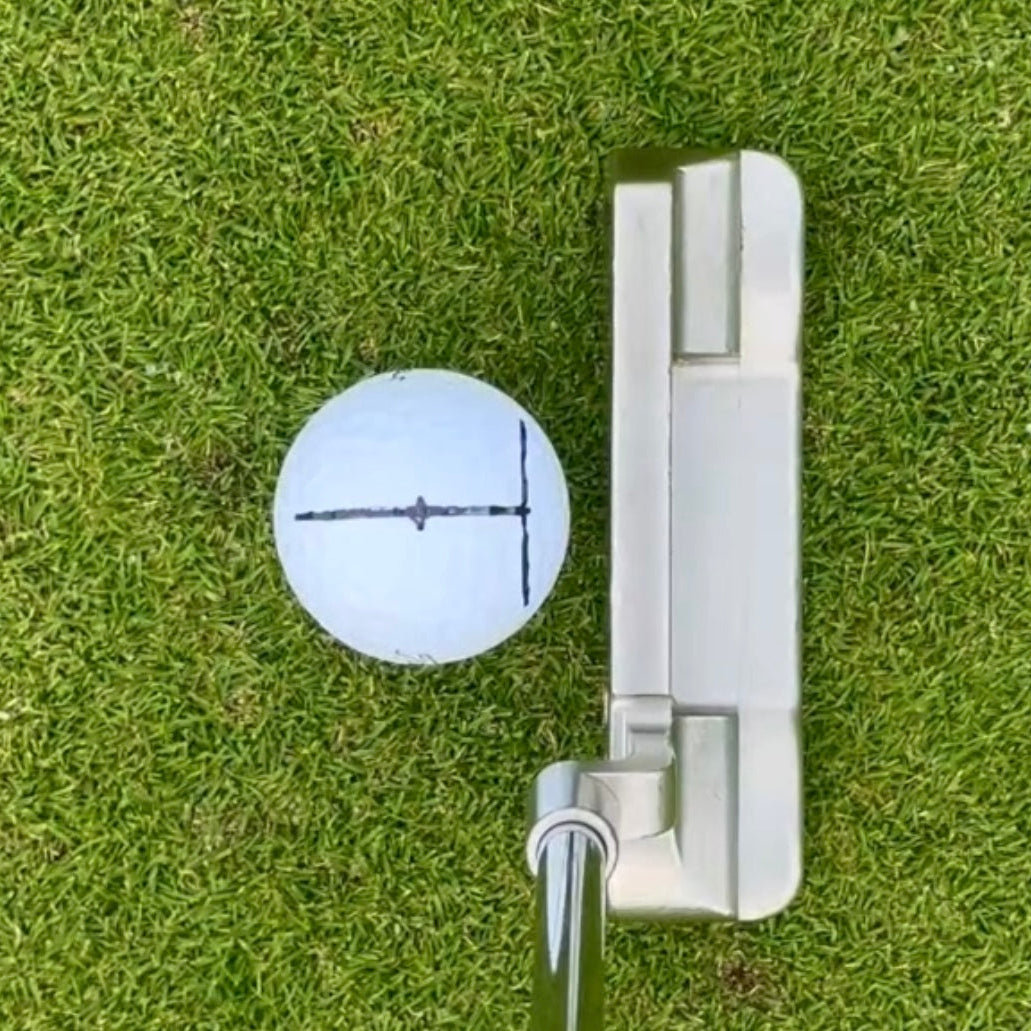
The putter face strongly influences where the ball starts. Choose a small spot ahead of the ball, aim the face, then build your stance around it. If you use a line on your ball, aim it from behind. The Impact Ball Liner adds a back line you can match the face to, making that alignment easier to see.

3. Make your setup easy to repeat
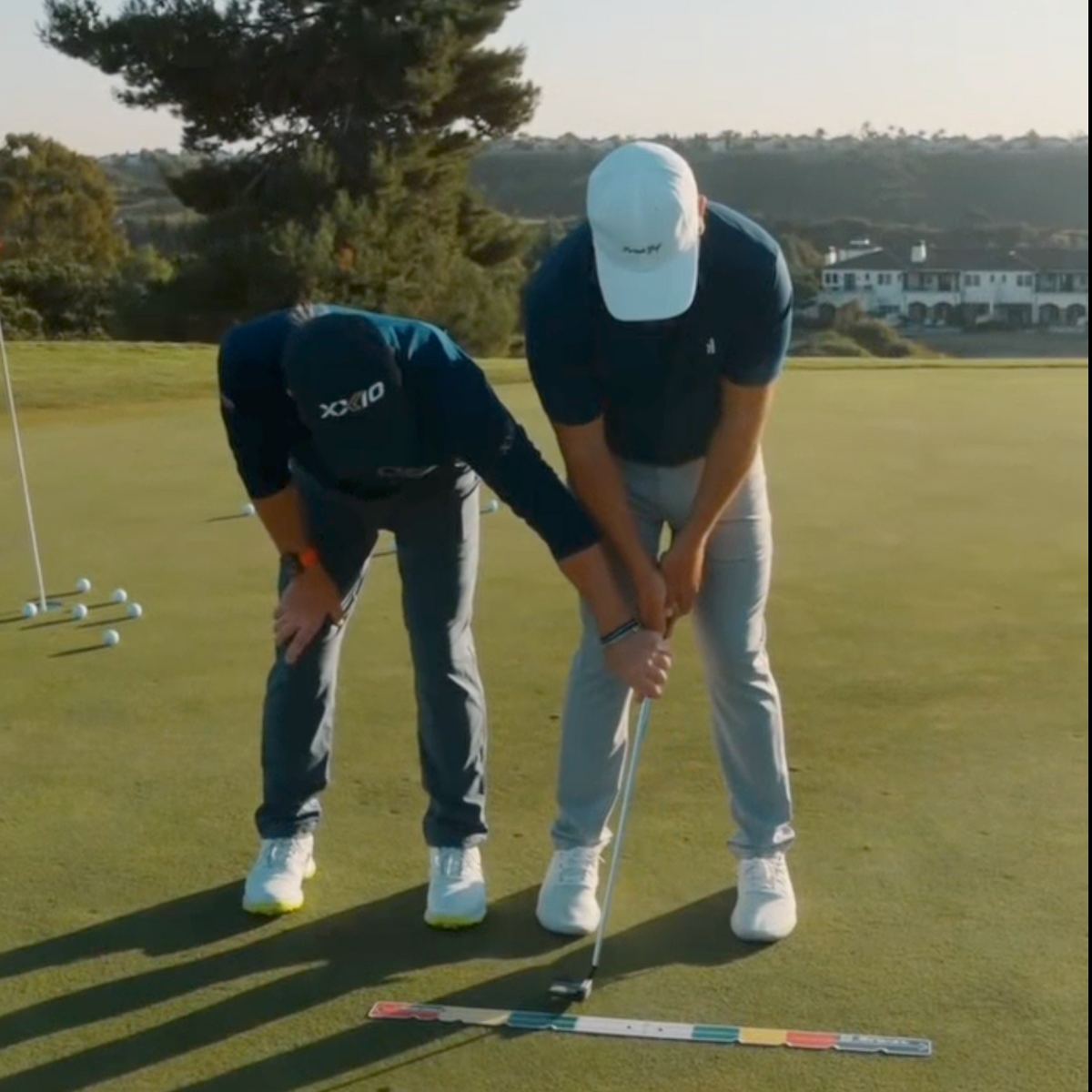
Settle into a comfortable posture with room for your arms to hang. Then step away and address the ball again. Did your eye position or distance from the ball change? A putting mirror makes those differences visible. Check several setups during practice, then remove the mirror and see whether you can repeat them.

4. Notice what your hands are doing
Your grip should help you control the face without a last-second squeeze or flick. Before changing grip styles, hit five practice putts and notice whether your pressure changes during the stroke. Re-create the same hand placement each time. If face control remains inconsistent, a coach can help you choose a grip that suits you.
5. Use only the stroke length you need
A big takeaway on a short putt can leave you trying to slow the putter just before contact. On a level practice green, alternate between three- and five-foot putts. Keep a comfortable rhythm and adjust the size of the stroke to the distance. The shorter putt should feel like a smaller motion, not a sudden jab.
6. Let the putter swing without steering it
A putting stroke can have a small natural arc. You don’t need to force the head along a perfectly straight track or deliberately twist it open and closed. Make a few rehearsal strokes without a ball, then roll one with the same motion. Judge whether it starts where you intended, rather than chasing a particular-looking path.
7. Keep your base settled
A short putt needs very little power. Swaying or shifting your weight adds another movement to coordinate. Ask a practice partner to watch your knees and hips while you putt. Try keeping your balance unchanged through contact, with enough relaxation that your arms can still move freely.
8. Let contact happen before you follow the ball
If you tend to turn toward the hole early, try watching the ball’s starting spot for a brief beat after impact. Test this on a few three-footers. The aim is to finish the motion comfortably, without lifting or turning your body to check the result halfway through.
9. Give yourself a routine when the putt matters
“Don’t miss” gives you very little to do. A short sequence gives you something specific: choose the line, aim the face, settle, and roll it. Practice that same sequence with one ball from different spots around the hole. If you feel unsure before starting, step back and reset instead of making a hurried correction.
10. Measure the start, not just the result
On a straight practice putt, place two tees a foot ahead of the ball with a gap slightly wider than the ball. Roll ten putts through it. Missing the gate tells you to investigate aim or delivery; clearing it consistently but missing the hole suggests checking your read and pace. Count your results so you have something useful to compare next time.
Start here: Spend five minutes on the tee-gate drill. Then putt one ball from four different spots, using your full routine each time. Pick the check above that fits what you noticed and work on that first.
Further reading: Kellie Stenzel’s short-putting fundamentals at GOLF.com.